

LIVE
MyTawny
The AI front office.
Real call on the demo line — voice, booking, follow-up.
Talk to Tawny →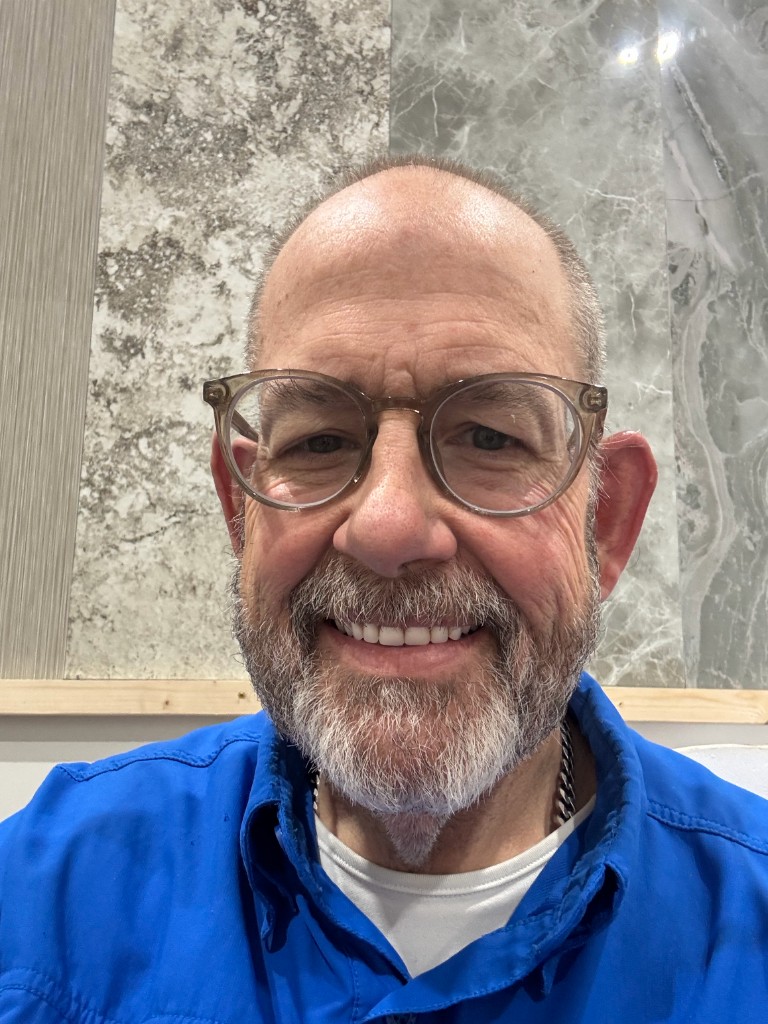
Savannah · Forty years in home improvement
He diagnoses what's broken, designs the system that holds a business accountable, and builds the software that runs the plan when everybody else has left the building.
She'll tell you she's AI. Ask her a real question, or let her book 20 minutes.
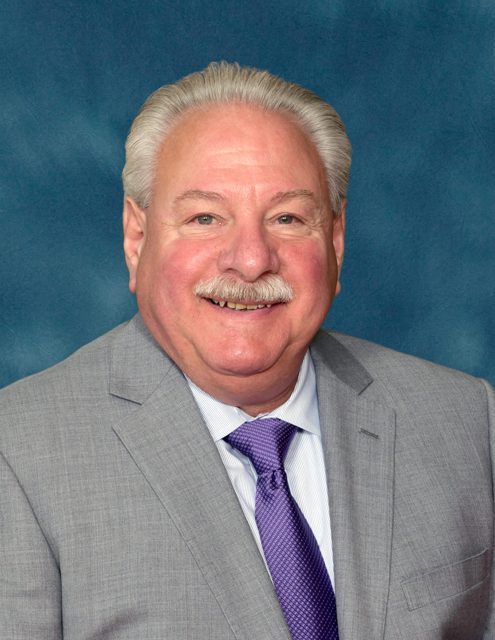
"I've known Kip Lee for over 25 years, and I've always considered him to be one of the true sales professionals in our industry. Kip has a great understanding of the home improvement business and, just as importantly, the people in it. He understands the challenges owners, managers and salespeople deal with because he's been around the business and has lived it for a long time. One thing I've always respected about Kip is that he never stops learning. He's constantly looking at what's changing, what's coming next and how we can do things better. Today that includes AI, technology and understanding how the consumer has changed since Covid. But Kip isn't someone who just follows the latest trends. He has decades of real-world sales experience behind what he teaches. He knows what works in the home, what works with a sales team and what it takes to build a successful home improvement company. After knowing him for more than 25 years, I can say this from personal experience: Kip cares about this industry and the people in it. He wants to see others succeed, and he's always been willing to share what he knows. I have a great deal of respect for Kip, both personally and professionally, and I would recommend him to anyone in the home improvement industry who wants to improve their sales organization and prepare their company for where our business is headed."
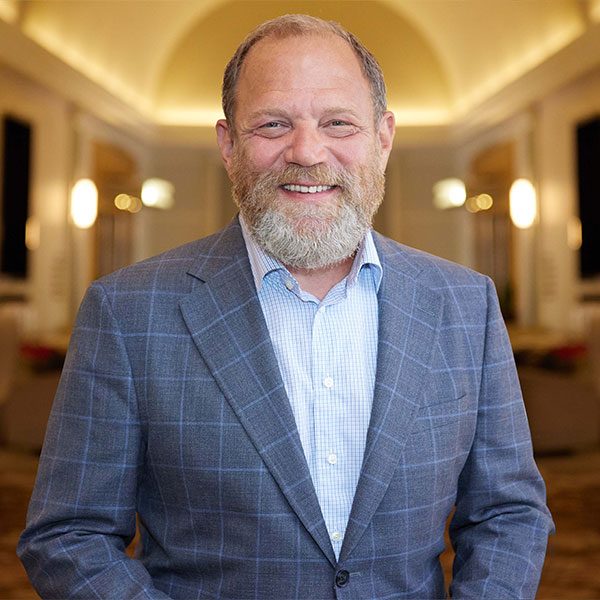
An architect doesn't carry a pipe wrench. He's the one who knows where every pipe goes — because he's the one who drew the building. Kip Lee spent four decades inside home improvement companies: selling at the kitchen table, running the crews, signing the checks, and learning the hard way where the money actually leaks. Today he designs AI-driven accountability systems that do what no report ever did for him — tell the owner the truth about his own business.
Forty-eight questions and your own books. Belief next to reality, sorted by the size of the miss. GPPCD, NSLI, lane economics, and the patterns that show up when an owner finally looks at what his numbers actually say — not what he wishes they said.
Two doors. Same methodology. Different depth.
The methodology in public. GPPCD, belief vs. reality, turnaround patterns. Read free. No gate. A system, not marketing tips.
Enter the library →$1,500. Full day, online or in person. Your books, your numbers, your beliefs — sorted by the size of the miss. Credited in full toward subsequent software or services work.
Request the Diagnostic →Frank Lloyd Wright didn't carry a pipe wrench. Kip doesn't rebuild what mature companies already spent millions building — he coordinates it. One brain on top of your stack. AI as enforcement, not replacement: the phones answered, the follow-up done, the numbers watched, the team held to the plan.
They're paid-for opportunities nobody finished working.
Give us your untouched demo no-sales and cancellations for 30 days. We will build and run the rehash system, qualify the responses, and place recovered appointments directly onto your CRM calendar.
If we recover nothing, you pay nothing.
Put My Unworked Leads Back to Work
Rehash can pay for the system. That is only the beginning.
Operator-led technology — shipped and running. Click it.
Real call on the demo line — voice, booking, follow-up.
Talk to Tawny →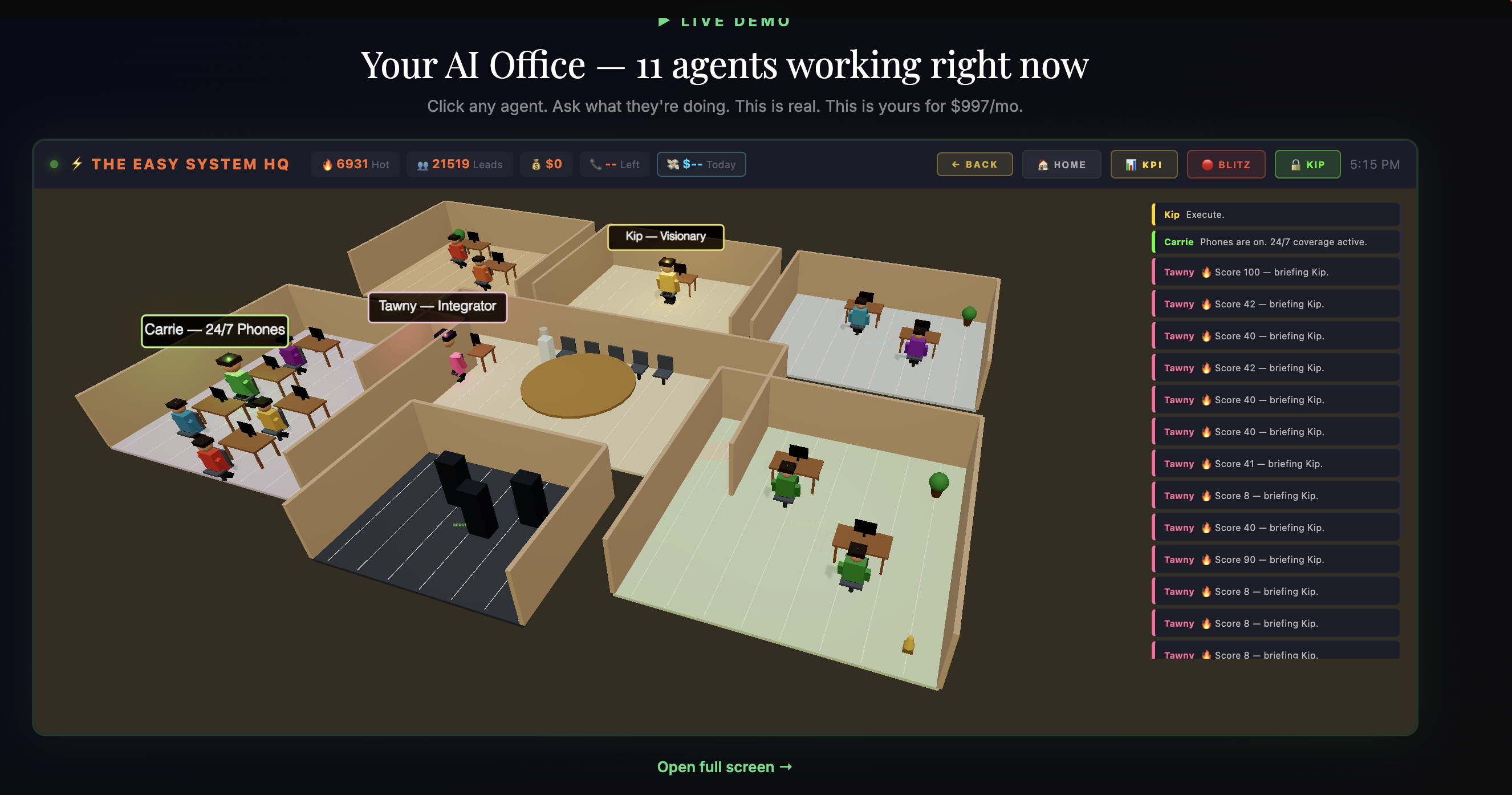
Virtual office, multi-tenant doors, EOS drawer — the Gen 3 layer.
Walk the Virtual Office →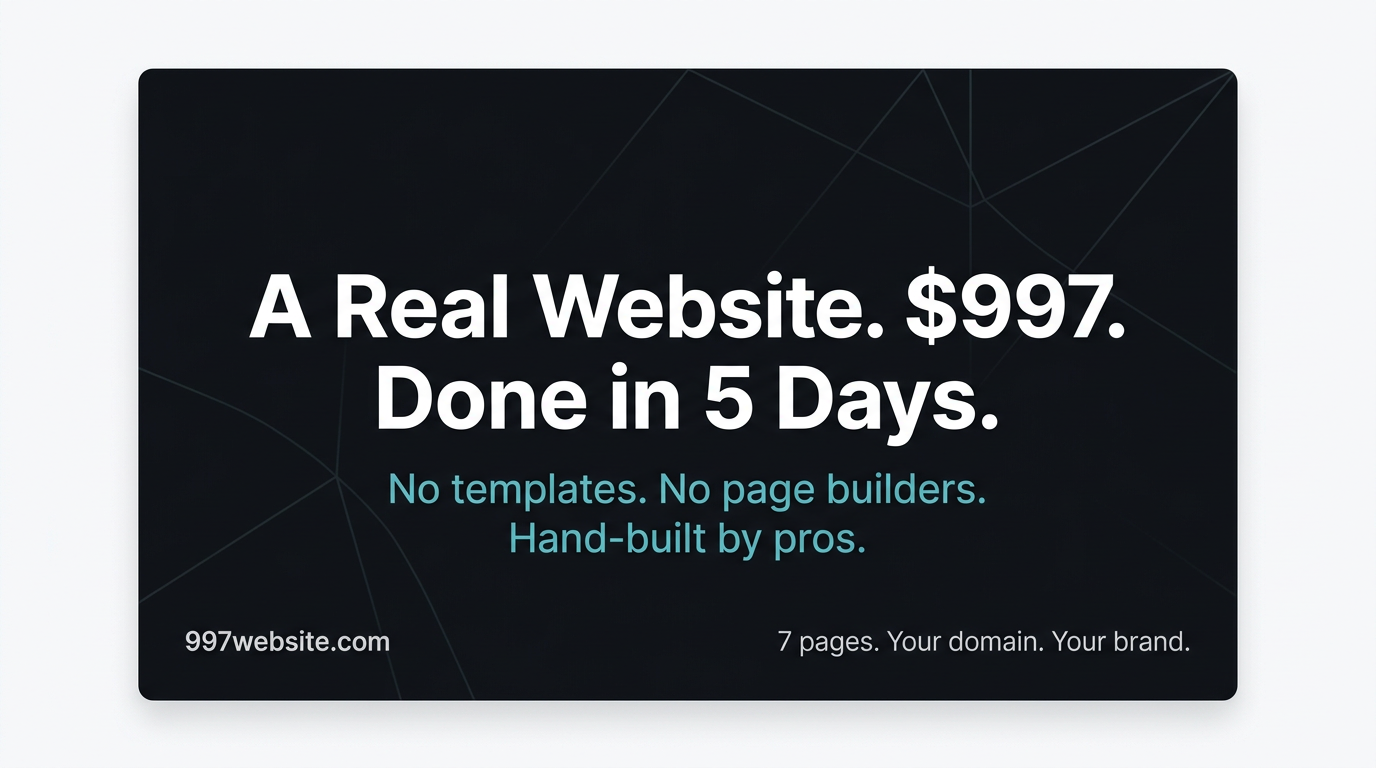
Seven pages, SEO-built, you own the code. Five days.
See the work →Full workshop — every build, every door →
Same Tawny. She books 20 minutes with Kip.
This book argues that "stated" and "verified" are two different things. So the bio doesn't get to be stated either. Here's the third-party paper.
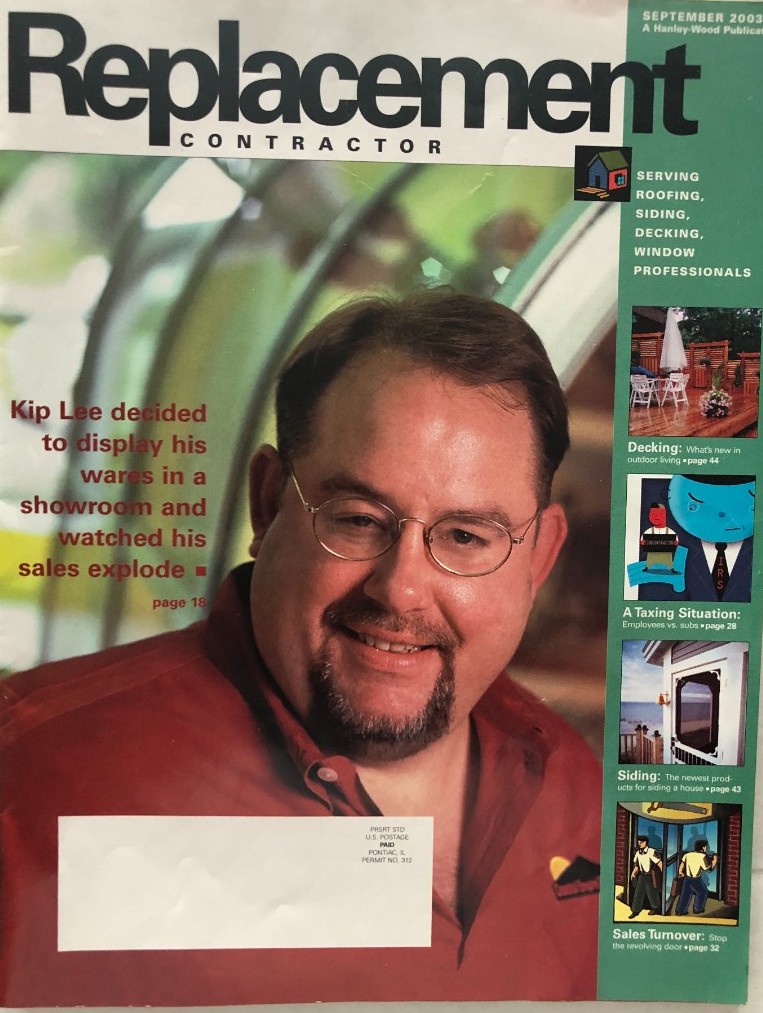
Cover story on Coastal Empire Exteriors by Jim Cory — the trade press documenting the run while it was happening, not remembering it afterward.
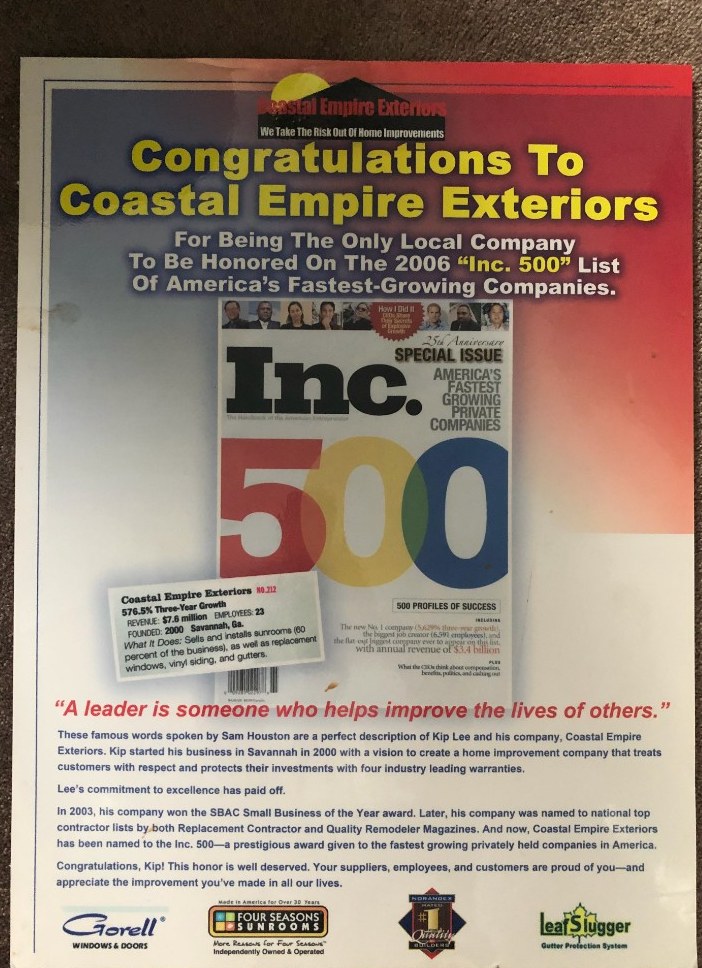
576.5% three-year growth. The only local company on the list that year. This is the actual supplier congratulations piece that hung in the showroom — Inc.'s own listing snapshot on it.
The QR Top 500 lists documented the whole arc as it happened: #289 → #246 → #168 → #146 → #159, revenue $3.1M → $6.98M, jobs 250 → 561 a year. Archived copies are permanent on the Internet Archive:
The tour program the trade press wrote up: 10–12 tours generating roughly $3 million in sales, 40% of attendees setting sales appointments.
The marketing architect behind the 2003–2007 run, writing about the campaign years later. Kip's TV commercials still run as samples on Level 10's services pages.
Forty-eight questions and your own books — the methodology in public. GPPCD, NSLI, belief vs. reality, lane economics, and turnaround patterns. Not marketing tips. A system.
 Tawny · mytawny.com
Kip built one of the largest Four Seasons Sunrooms dealerships in the country — top five nationally for four straight years, #1 in the Southeast.
He didn't study the industry. He was the industry. The systems he designs now — and the questions in the book — come from the same place: decades of finding out, the expensive way, what the numbers don't volunteer.

Forty years in home improvement. This is who the work is for.
Every owner runs his company on beliefs — which product prints money, who the best salesman is, which lead source is worth funding. Most were true once. Some never were. This book is the exam: 48 questions, your own books, and the gap between what you believe and what your numbers actually say.
No marketer has ever asked you these questions. Most of them can't afford your answers.
Chapter One is ready right now — and you'll hear from Kip when the full book lands.
Download Chapter One (PDF)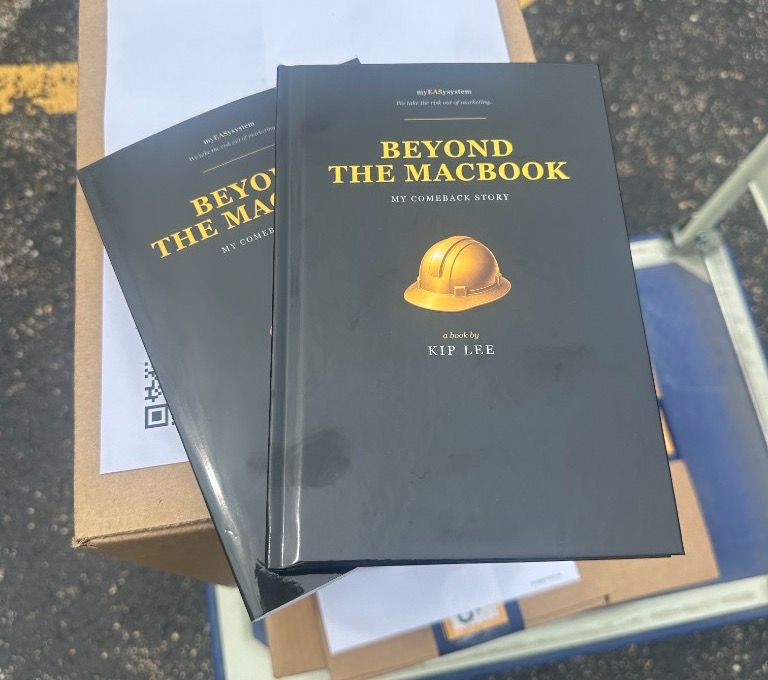
Before the questions, there was the life: forty years of kitchen tables, crews, showrooms, mentors, and the small world of home improvement where the same names keep showing up at the same conferences for decades. A porch read about the people and the scar tissue behind everything on this page.
"Never a captor, always a vendor. Volume for vanity. Profit for sanity."
The book is free. $0.95 covers shipping. 100 copies left. US addresses, ships USPS Media Mail.
Kip speaks on the collision of the two worlds he knows first-hand: forty years of running home improvement companies, and the AI systems he now designs for them. No futurist hand-waving — an operator explaining to operators what the technology actually does, what it can't do, and where the money is.
Past the buzzwords: which jobs in your building AI can genuinely hold — the phones, the follow-up, the accountability — and which parts still belong to people. What it costs, what it returns, and the questions to ask any vendor before you sign.
The book, live: gross profit per crew-day, net sales per lead issued, and the gap between what an owner believes and what his books say. Bring your numbers — leave your feelings at home.
The biggest enemy of a small business is the absence of accountability — because the person enforcing it becomes the bad guy. How AI carries the social cost of enforcement so the owner doesn't have to.
Available for podcasts and expert commentary — translating AI to the average contractor, in plain language, from someone who's run the trucks and built the software.
Keynotes · association meetings · dealer events · podcasts · press commentary
Full speaking page Write a recommendation Speaking & media inquiriesAn honest observation. A real working plan based on your numbers and your business. And the software discipline to follow through when everybody else has left the building. That last one is what no other consultant gives you. A consultant hands you a binder and wishes you luck — the follow-through was always your problem. Kip builds the system that runs the plan after he leaves the room: the phones answered, the leads worked, the numbers watched, the team held to it.
48 questions and your own books. One meeting. Belief next to reality, sorted by the size of the miss.
A real working plan based on your numbers and your business — not a template. Which lines to feed, which to fix, which to walk away from, and what it's worth in dollars.
The software discipline that executes the plan every day, when everybody else has left the building — so it doesn't die in the binder the way every consultant's plan you've ever bought did.
Start With the Diagnostic.
$1,500
Full day, online or in person. Credited in full toward subsequent software or services work. Never waived — free diagnoses are worth what they cost.
Start With the Diagnostic